
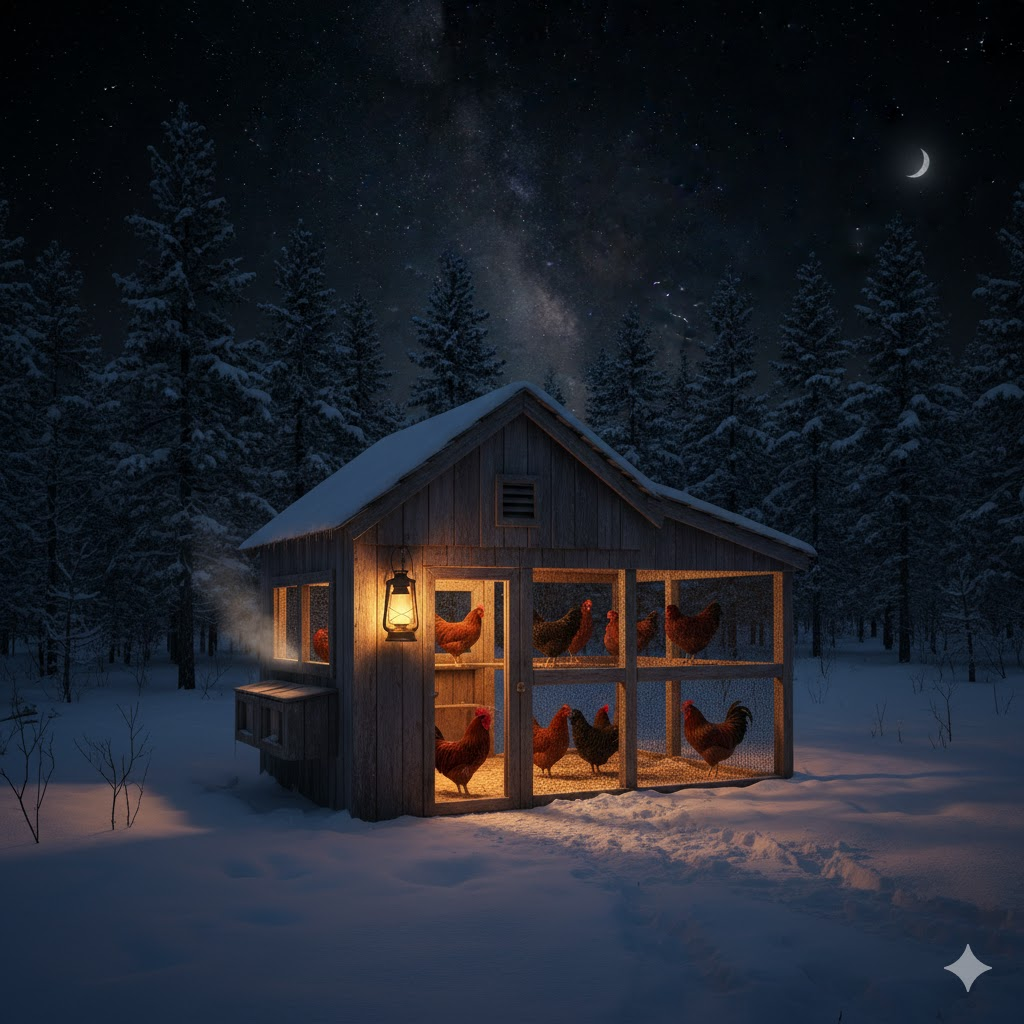
Intro
Shorter days mean fewer eggs—every backyard chicken keeper experiences it. Hens are light-sensitive layers, and when daylight drops below 14 hours, their bodies naturally slow egg production.
The Role of Daylight
Hens’ laying cycles are controlled by daylight length, not temperature. When the days shorten, their internal hormones shift toward rest and recovery. This break helps them conserve energy during cold months.
Should You Add Artificial Light?
Adding supplemental light is an option if you want consistent eggs. A simple LED bulb on a timer can extend daylight to 14–16 hours. Use a gentle, warm light—too much brightness can stress hens.
Nutrition Matters
Winter molting and reduced foraging can affect nutrition. Feed a high-quality layer pellet and consider adding a little black oil sunflower seed for extra fat and protein. These simple adjustments help support steady production.
Comfortable Roosting
Cold, drafty coops stress hens and slow laying. Keep nesting boxes insulated and dry. A deep litter method works great for warmth and comfort during winter.
Tip: Let your hens rest naturally if you don’t need daily eggs. The pause helps extend their overall laying life and keeps them healthier long-term.