
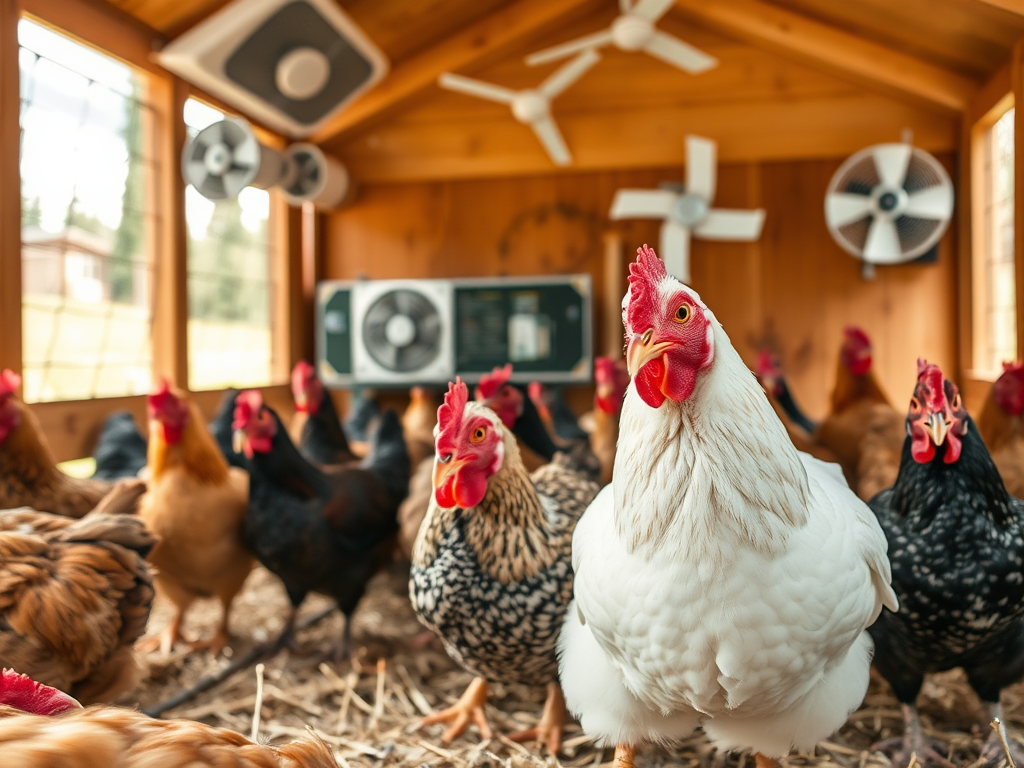

If you’re a backyard chicken keeper, you know that a secure, comfortable coop is essential. But one of the most common mistakes beginners make is building a chicken coop without proper ventilation. Ventilation is not just about airflow—it’s about the health, productivity, and happiness of your flock.
This post contains affiliate links that I May receive commission for
Why Proper Coop Ventilation Matters
Ventilation in a chicken coop is crucial for several reasons:
- Prevents Moisture Buildup – Chickens produce a lot of moisture through breathing and droppings. Without airflow, humidity builds up, which can lead to mold, mildew, and damp bedding.
- Reduces Ammonia Levels – Chicken droppings release ammonia, which is harmful to both chickens and humans. Proper ventilation keeps the air fresh and reduces respiratory issues.
- Maintains Comfortable Temperature – In summer, stagnant air makes the coop hot and stressful for your birds. In winter, proper airflow prevents condensation that can make feathers and nests damp.
- Improves Egg Production – Healthy chickens produce more eggs. A poorly ventilated coop can lead to stress, illness, and lower egg yields.
Common Ventilation Mistakes
- Sealing the Coop Too Tight – Many beginners think that keeping the coop airtight will keep chickens warm. In reality, poor airflow increases humidity and ammonia levels.
- Wrong Placement of Vents – Air needs to flow naturally. Placing vents too low or too high can disrupt airflow and cause drafts on chickens.
- Ignoring Winter Ventilation – Some keepers cover vents completely during cold months. This traps moisture and makes winter conditions worse.
How to Fix Poor Ventilation

- Install Proper Vents – Use ridge vents, soffit vents, or adjustable side vents to allow natural airflow.

- Use Fans if Needed – For large flocks or small, airtight coops, a small exhaust fan can improve airflow.
- Raise the Coop – Elevating the coop allows air to circulate underneath, reducing dampness and mold growth.

- Monitor Temperature and Humidity – A simple thermometer and hygrometer can help you track the coop environment and adjust vents as needed. (Try these inexpensive Thermometer Hygrometers)
Tip: Avoid direct drafts on roosting chickens. Proper ventilation is about circulation, not cold wind.
Mistake Consequences
- Sick chickens due to respiratory issues
- Frostbite or dampness in winter
- Reduced egg production
- More frequent cleaning and bedding replacement
Conclusion
Proper ventilation is a simple but often overlooked part of chicken coop design. Mistakes Monday is all about learning from common errors—don’t let poor airflow make your flock unhappy or sick. Take the time to design your coop with airflow in mind, and your chickens (and eggs) will thank you.
**Click here ** for more health and safety tips for raising strong healthy chickens.